Source Waterproof Hypalon Fabric for Garments, Bags, and Tents
Explore 30 listings of waterproof hypalon fabric suitable for garments, bags, and tents. Buyers can compare features like PU coating, breathability, and customization options from verified Chinese manufacturers offering diverse applications including security gear and architectural decoration with various fiber lengths and technical finishes.
Key considerations
Products List


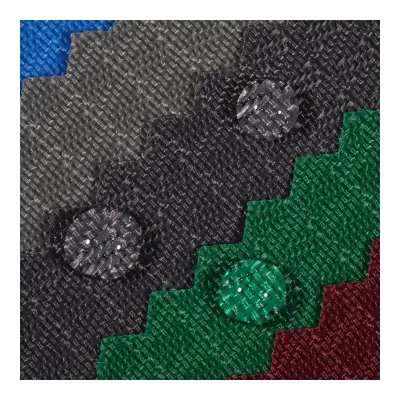
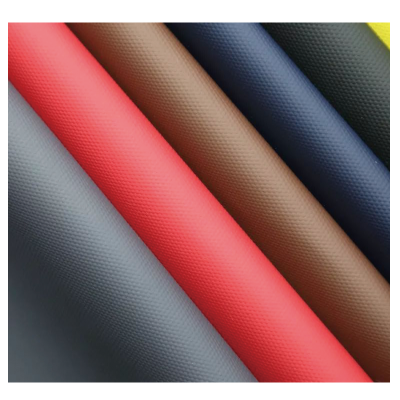


Comprehensive Sourcing Guide
Waterproof Hypalon Fabric Sourcing Guide
Procuring waterproof hypalon fabric requires a nuanced understanding of material science and supply chain dynamics, particularly when aligning product attributes with specific industrial applications. While the core keyword suggests a focus on hypalon, the observed market data reveals a diverse landscape of synthetic textiles, including nylon-based warp-knitted and woven fabrics with PU coatings. Buyers must distinguish between true hypalon compositions and alternative waterproofing technologies that offer similar performance profiles, such as windproof and breathable features. This distinction is critical for ensuring that the selected material meets the rigorous demands of sectors like architectural decoration, security equipment, and high-end garment manufacturing.
The sourcing process is further complicated by the variability in customization options and production standards observed across listings. Many suppliers offer make-to-order services with flexible design acceptance, allowing for tailored solutions in terms of pattern, color, and functional finishes. However, this flexibility introduces complexity in quality assurance, as attributes like fiber length, width, and specific coating processes can vary significantly between batches. Buyers need to establish clear technical requirements early in the engagement to avoid mismatches between expected performance and delivered goods, ensuring that the final product aligns with both functional needs and regulatory compliance standards.
Product Scope and Observed Listing Signals
The current market for waterproof synthetic fabrics presents a wide array of product types, ranging from taslan fabrics to specialized nylon materials with distinct physical features. Observed listings indicate a strong emphasis on functional attributes such as waterproofing, windproofing, and breathability, often enhanced by PU coatings or water-repellent finishes. These materials are frequently marketed for applications in garments, bags, sportswear, and even architectural decoration, highlighting their versatility. The presence of features like anti-static properties, downproof capabilities, and black-out functions suggests that buyers are looking for multi-functional textiles that can withstand harsh environmental conditions while maintaining user comfort and safety.
In addition to functional performance, the market shows significant variation in product specifications and packaging methods. Widths typically range around 57/58 inches, with thickness levels described as lightweight, catering to applications where weight is a critical factor. Packaging options include rolls, standard packing with plastic bags, and custom requirements, indicating that logistics and handling considerations are integral to the purchasing decision. The availability of customization in flower patterns and designs further underscores the importance of aesthetic and branding requirements in the sourcing process, particularly for consumer-facing products like dresses and umbrellas.
Technical Specifications to Verify
When evaluating technical specifications, buyers must prioritize the verification of fiber composition and construction methods to ensure durability and performance. The observed data highlights the importance of distinguishing between long and short fiber types, as well as warp-knitted versus woven structures, as these factors directly influence the fabric's strength and flexibility. For applications requiring high strength and abrasion resistance, such as equipment belts and vests, verifying the nylon fiber properties, including low-temperature resistance and flame retardancy, is essential. Additionally, the specific finish processes, such as W/R+PU treatments, should be confirmed to ensure that the waterproofing and breathability claims are substantiated by the manufacturing process.
Beyond material composition, buyers should rigorously check dimensional stability and color fastness to prevent issues during production and end-use. Specifications such as width, thickness, and model numbers provide a baseline for comparison, but it is crucial to verify these against actual samples rather than relying solely on listing descriptions. Color fastness ratings, such as the observed 3-4 level, offer insight into the material's ability to retain color under washing and exposure, which is vital for garments and accessories. Furthermore, understanding the supply type, whether make-to-order or standard stock, helps in planning production timelines and managing inventory risks effectively.
Compliance and Safety Documentation
Compliance and safety documentation are non-negotiable elements in the sourcing of waterproof fabrics, particularly for applications involving personal protective equipment and consumer goods. Buyers must ensure that suppliers can provide relevant certifications, such as OEKO-TEX Standard 100, which verifies that the textile is free from harmful substances. This certification is particularly important for garments and items that come into direct contact with the skin, ensuring that the materials meet strict health and safety standards. Additionally, for fabrics used in security or architectural applications, verifying compliance with local and international safety regulations is crucial to mitigate legal and liability risks.
Beyond certifications, buyers should request detailed test reports that validate the claimed performance features, such as waterproofness, windproofness, and anti-static properties. These reports should be issued by accredited third-party laboratories to ensure objectivity and reliability. It is also important to verify the supplier's ability to provide documentation for specific functional claims, such as flame retardancy or low-temperature resistance, which may be required for certain industrial applications. By maintaining a rigorous approach to compliance verification, buyers can protect their brand reputation and ensure that the final products meet all necessary regulatory requirements.
Cost Drivers and Commercial Terms
Cost drivers in the procurement of waterproof fabrics are influenced by a combination of material quality, customization complexity, and order volume. The observed price range of 0.2 to 18.98 USD reflects the diversity in product specifications, with higher prices typically associated with advanced features like anti-infrared properties or specialized coatings. Minimum order quantities (MOQs) ranging from 1 to 1500 units further impact cost efficiency, as larger orders often benefit from economies of scale. Buyers should carefully analyze the total cost of ownership, including shipping, packaging, and potential rework costs, to make informed decisions that balance quality and budget constraints.
Commercial terms also play a significant role in the overall cost structure, with factors such as payment terms, lead times, and return policies affecting financial planning. Suppliers offering make-to-order services may have longer lead times, which can impact production schedules and inventory management. It is advisable for buyers to negotiate clear terms regarding quality disputes and defect resolution to protect against potential losses. Additionally, understanding the supplier's production capacity and flexibility can help in managing risks associated with supply chain disruptions, ensuring a steady flow of materials to meet market demands.
Supplier Qualification and Quality Control
Supplier qualification is a critical step in ensuring the reliability and consistency of waterproof fabric supplies. Buyers should conduct thorough due diligence to assess the supplier's manufacturing capabilities, quality management systems, and track record in the industry. Verifying the supplier's origin, such as Wujiang China, and their ability to provide customized solutions can provide insights into their technical expertise and market responsiveness. Additionally, checking for factory certifications and past client references can help in building a robust supplier base that meets the buyer's specific requirements.
Quality control measures should be integrated into the procurement process to minimize the risk of receiving substandard products. Buyers should establish clear quality standards and inspection protocols, including pre-shipment inspections and sample approvals, to ensure that the delivered goods match the agreed specifications. Implementing a systematic approach to quality monitoring, such as regular audits and performance reviews, can help in maintaining high standards and fostering long-term partnerships with reliable suppliers. By prioritizing supplier qualification and quality control, buyers can enhance the overall efficiency and effectiveness of their sourcing operations.
Long-Term Procurement Checks
Long-term procurement checks are essential for maintaining a competitive edge and ensuring the sustainability of the supply chain. Buyers should regularly review supplier performance metrics, including delivery times, quality consistency, and responsiveness to issues, to identify areas for improvement. Establishing key performance indicators (KPIs) and conducting periodic supplier evaluations can help in maintaining high standards and driving continuous improvement. Additionally, staying informed about market trends and technological advancements in waterproof fabric production can enable buyers to adapt their sourcing strategies to meet evolving customer demands.
Furthermore, buyers should focus on building strategic relationships with suppliers to enhance collaboration and innovation. Engaging in joint development projects and sharing market insights can lead to the creation of new products and solutions that offer unique value propositions. By fostering a culture of trust and transparency, buyers can mitigate risks and ensure a stable supply of high-quality materials. Long-term procurement checks should also include assessments of environmental and social responsibility practices, aligning sourcing activities with broader corporate sustainability goals and ethical standards.
FAQs
What is waterproof hypalon fabric typically used for in garment and bag production?
Waterproof hypalon fabric is typically used for garment, bag, dress, lining, trousers, sportswear, and umbrella applications. Because it is a coated nylon textile with waterproof, windproof, and breathable properties, it suits protective outerwear, equipment belts, vests, and security-related garments. Buyers often request PU coating finishes and custom printed patterns to match specific end-use requirements.
How does PU coating improve the performance of waterproof hypalon fabric?
PU coating adds a polyurethane layer that blocks water penetration while keeping the fabric breathable and soft in hand feeling. Combined with water-repellent finishing, the W/R plus PU process delivers waterproof and windproof performance. It also supports anti-static and downproof characteristics, making the fabric suitable for lining, outer shells, and coated technical garment applications.
Can waterproof hypalon fabric be customized in color, pattern, and width?
Yes, customization is available for waterproof hypalon fabric. Colors can be produced as required, custom designs are accepted, and printed patterns can be adjusted through customisation options. Standard width is 57/58 inches, though specifications can be customized. Supply type is typically make to order, so buyers should confirm artwork, color standards, and finish requirements before production begins.
Which certifications or standards should buyers ask about for this fabric?
Buyers should ask about EN certification and OEKO-TEX Standard 100 compliance, which appear among the listed credentials for coated nylon fabrics. Colour fastness of 3-4 is another practical benchmark to confirm. Always request current test documentation from the specific supplier, because certification scope can vary by product, production batch, and the mill that completes the finishing.
How should waterproof hypalon fabric rolls be packed for shipment?
Roll packing is the common method, with rolls wrapped and protected for transport. Some suppliers use standard packing with a plastic bag outside, and packing can be arranged according to customer requirements. Standard roll length references of 50 meters are common in listings. Confirm packing details, roll length, and labeling with the supplier before confirming the order.
What material and technical specifications define this type of fabric?
The fabric is typically 100 percent nylon, available in warp-knitted or woven construction, with long or short fiber options. Specifications such as 70D by 160D and taslan fabric types are common, with plain or printed styles. Finishes include plain dyeing, water repellent treatment, and waterproof coating, producing a lightweight fabric with soft hand feeling and anti-static performance.
How does the fabric perform against abrasion, low temperature, and flame exposure?
Nylon-based hypalon-style coated fabrics are noted for low temperature resistance, flame retardancy, and abrasion resistance, along with high physical strength. These properties suit security garments, equipment belts, and vests. However, performance levels depend on the specific construction, coating weight, and finish applied, so buyers should request verified test results for the exact specification they intend to purchase.
Which MOQ and pricing expectations are realistic for sourcing this fabric?
Observed listings for coated nylon and waterproof fabrics show MOQs ranging from as low as 1 unit to 1500 units, with prices roughly between 0.2 and 18.98 USD. Make-to-order supply is common, so actual terms depend on customization level, specification, and order volume. Request quotations against your exact width, coating, and finish requirements for accurate pricing.